
Back Pain Assessment & Chiropractic Care in Adelaide
Back Pain Can Have Many Different Causes
Whether your pain started suddenly or has been building for months, understanding why it is happening is often the first step towards moving more comfortably again.
Back Pain Isn’t One Condition
Most people think “back pain” is a diagnosis.
It isn’t.
Back pain is a symptom that can arise from many different structures and many different factors.
It may involve:
- joints
- muscles
- discs
- nerves
- ligaments
- movement habits
- previous injuries
- physical conditioning
- pain sensitivity within the nervous system
That’s why two people with almost identical pain may require completely different advice.
Our goal isn’t simply to identify where it hurts.
We aim to understand why it hurts.
Common Types of Back Pain We Assess

Acute Back Pain
Recent onset following lifting, twisting or an awkward movement.

Persistent Back Pain
Pain lasting longer than expected or returning repeatedly.
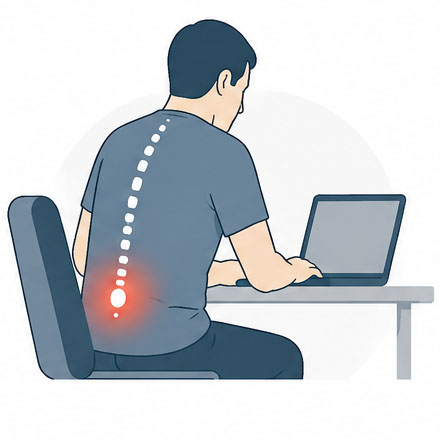
Mechanical Back Pain
Pain related to movement, posture or certain activities.
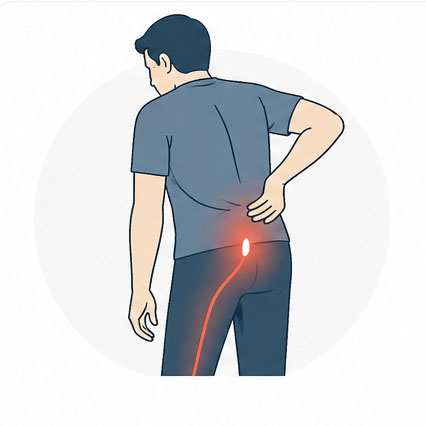
Back Pain with Leg Pain
Pain that travels into the buttock or leg.
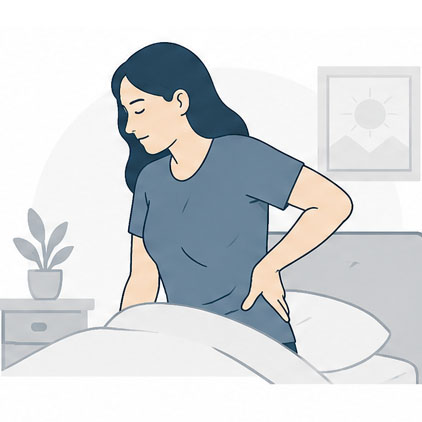
Morning Stiffness
Back feels particularly stiff after sleeping or resting.
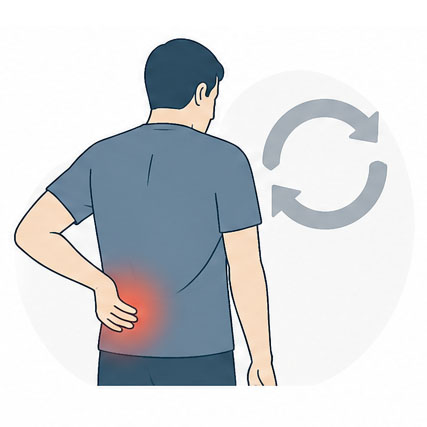
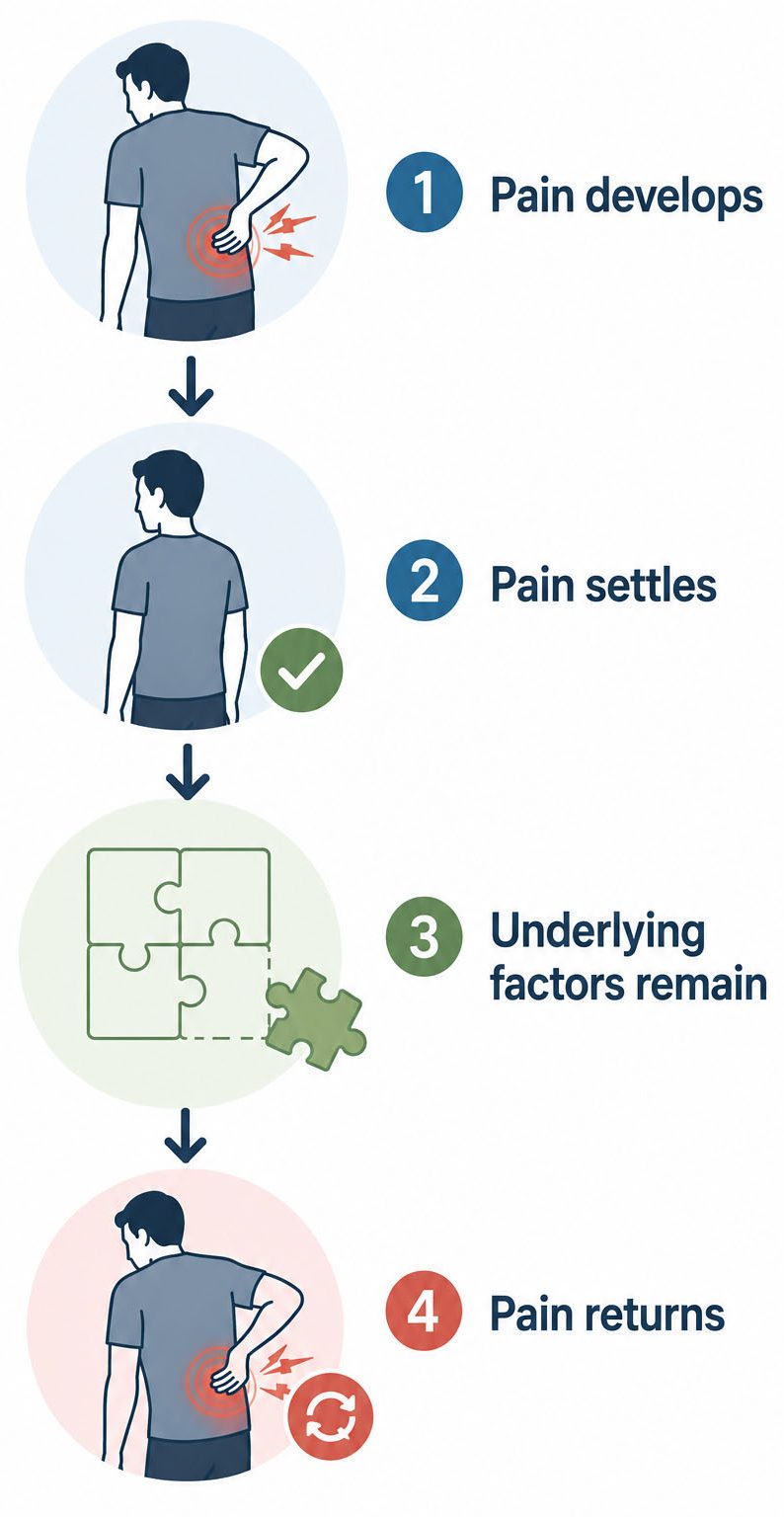
Recurrent Episodes
Pain settles…
then returns weeks or months later.
Why Does Back Pain Keep Coming Back?
Many episodes improve naturally.
Others don’t.
Sometimes the painful tissue has healed…
yet the body continues protecting the area.
Sometimes strength, movement or spinal control hasn’t fully recovered.
Sometimes several smaller contributing factors combine.
If you'd like to understand this in more detail, visit our page: ‘Why Pain Persists’
What Causes Back Pain?
Rather than pretending there’s one cause…
Explain there are many possible contributors.
- Joint irritation
- Disc irritation
- Muscle strain
- Reduced movement
- Previous injury
- Poor physical conditioning
- Prolonged sitting
- Repetitive lifting
- Sporting injuries
- Stress and increased muscle tension
- Reduced confidence in movement
- Age-related changes
Often several of these exist together.
Do You Need Imaging?
Many people assume they need an X-ray or MRI.
In reality…
For many people with uncomplicated back pain…
a careful history and examination provides far more useful information than imaging alone.
Sometimes imaging is appropriate.
We will explain when it may help.
Imaging is one piece of information.
It should always be interpreted alongside your symptoms and examination findings.
Our Assessment Process
1. We Listen
We start by understanding you.
You’ll have time to explain:
- what you’re experiencing
- how it began
- what makes it better or worse
- previous injuries or treatment
- your goals.
We believe good assessment starts with careful listening.

2. We Take a Detailed History
Pain rarely exists in isolation.
Understanding your health history helps us recognise patterns that may be contributing to your current problem.
3. We Assess How You Move
We’ll assess posture, spinal movement and how different parts of your body are functioning together.
Often this provides valuable clues that scans alone cannot show.
4. Clinical Examination
Where appropriate this may include:
- orthopaedic tests
- neurological examination
- muscle strength
- flexibility
- coordination
The exact examination depends on your individual problem.
5. Hands-on Assessment
We’ll carefully examine the joints, muscles and soft tissues involved.
This helps us understand how different parts of your body are working together.

6. Putting the Pieces Together
Rather than focusing on one painful spot, we look at the overall pattern.
This helps us identify the factors most likely contributing to your symptoms.

7. Explaining What We Find
You’ll receive a clear explanation in everyday language.
We’ll explain:
- what we think is happening
- why it may have developed
- what factors may be contributing
- what you can do about it.
You should leave with a much better understanding of your problem.
Can Chiropractic Help Back Pain?
Many people seek chiropractic care because their back pain affects work, sleep, sport or everyday life.
Care may include:
✔ improving spine fitness
✔ improving movement
✔ reducing joint stiffness
✔ helping muscles function more normally
✔ exercises
✔ advice about activity
✔ education about pain
Management is individualised rather than following the same treatment for everyone.
When Should You Seek Urgent Medical Care?
Contact a medical practitioner promptly if back pain is associated with:
- significant trauma
- unexplained weight loss
- fever
- loss of bladder or bowel control
- numbness around the saddle region
- rapidly increasing weakness
- suspected fracture
- history of cancer with new severe pain
Frequently Asked Questions
Should I rest my back?
Usually, prolonged bed rest isn’t recommended. Gentle movement is often helpful, though the right approach depends on your condition.
Should I keep exercising?
Often yes—with appropriate modification. We’ll help you understand which activities to continue, reduce or temporarily avoid.
Will I need X-rays?
Not always. Many people don’t require imaging, while others may benefit from it depending on their symptoms and examination findings.
Can back pain come from my disc?
Sometimes. Discs can contribute to back pain, but they are only one of several possible sources.
Will I need ongoing treatment forever?
No. Some people recover after a short period of care, while others choose occasional ongoing support if they find it beneficial. The decision is always yours.
Visit our ‘Ongoing Care’ page here.
Ready to Understand Your Back Pain?
Rather than guessing what’s causing your symptoms, start with a thorough assessment to understand the factors that may be contributing and discuss the management options that best fit your goals.
Related Conditions
- Neck Pain
- Headaches
- Sciatica & Disc Bulges
- Hip & Pelvic Pain
- Pins & Needles