
Unsettled Babies
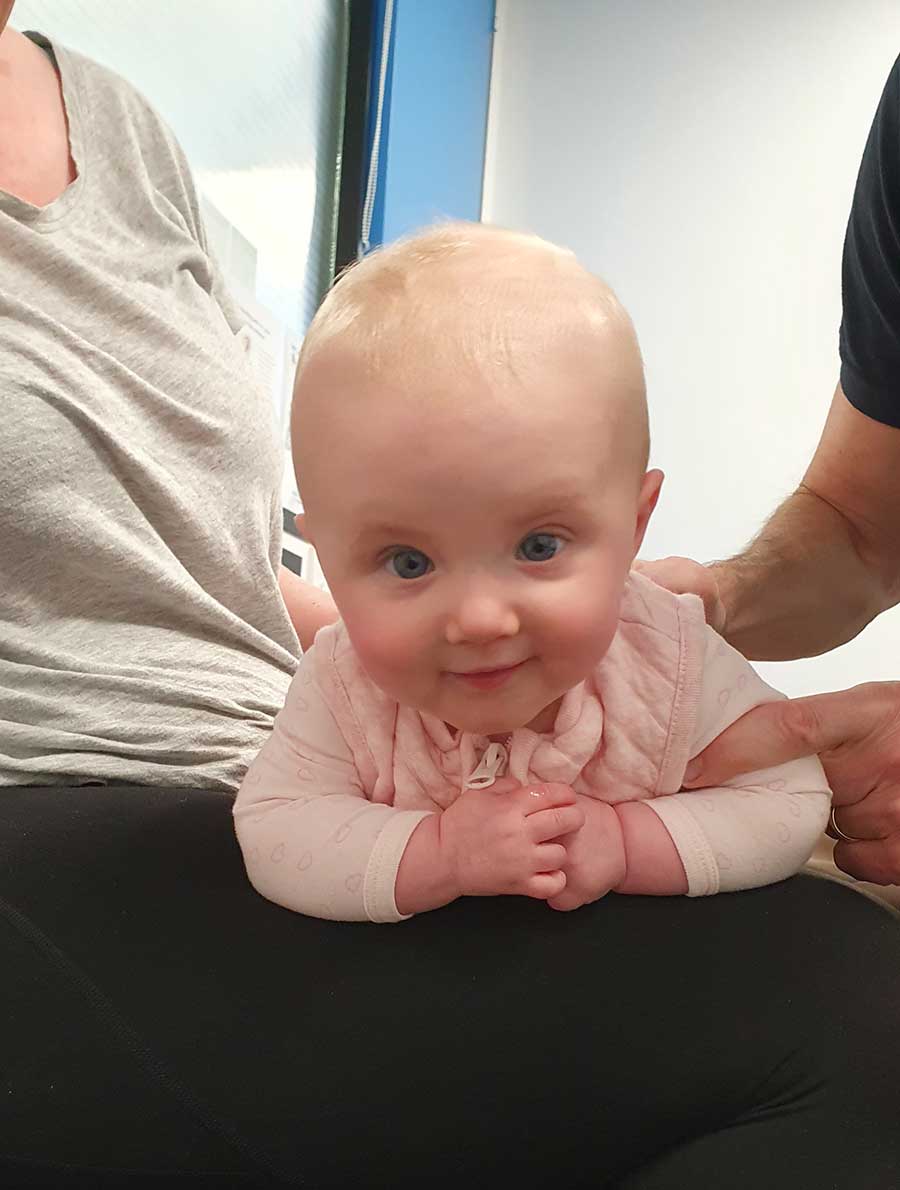
Gentle Assessment and Individualised Care for Babies and Their Families
Many babies have periods where they cry more than expected, seem difficult to settle, or become distressed for reasons that aren’t immediately obvious.
For parents, this can be exhausting. It is natural to wonder whether something is wrong, whether your baby is uncomfortable, or whether you should simply wait and hope things improve.
Every baby is different. Some babies naturally have a more sensitive temperament, while others may be unsettled because of feeding difficulties, muscle tightness, movement restrictions, illness, tiredness, or many other factors.
Our role is not to make assumptions.
Our first priority is to understand what may be contributing to your baby’s behaviour and determine whether chiropractic care is appropriate, or whether another health professional may be better placed to help.
What Does “Unsettled” Mean?
Parents use many different words to describe an unsettled baby.
Some common concerns include:
- difficult to settle
- cries frequently
- only sleeps for short periods
- appears uncomfortable
- arches their back
- dislikes being laid down
- always wants to be held
- seems stiff on one side
- prefers looking one direction
- unsettled after feeds
- difficult during tummy time
- generally seems uncomfortable
Not every unsettled baby has the same underlying cause.
Why Can Babies Become Unsettled?
There are many possible reasons.
Some are completely normal stages of development, while others may deserve further assessment.
Possible contributing factors may include:
Feeding challenges
Difficulty attaching, swallowing or maintaining comfortable feeding positions.
Muscle tightness or movement restriction
Sometimes babies appear uncomfortable because moving their head, neck or body is more difficult than it should be.
Birth history
Long labours, assisted deliveries or breech positioning may influence how some babies move in the early weeks.
Developmental changes
Growth spurts and normal developmental phases often affect sleep and settling.
Medical conditions
Occasionally an unsettled baby may have a medical condition requiring assessment by a GP or paediatrician.
This is why a careful assessment is so important.
Concerned About Your Baby?
If your baby seems unsettled and you would like a thorough assessment, we’d be happy to listen to your concerns, examine your baby’s movement and development, and discuss whether chiropractic care may be appropriate.
Understanding The Whole Picture
One of the most important parts of your visit is listening to your story.
Rather than focusing on just one symptom, we aim to understand your baby’s overall health and development.
During your assessment we may discuss:
- pregnancy history
- labour and birth
- feeding
- sleeping patterns
- crying behaviour
- tummy time
- preferred head position
- developmental milestones
- medical history
- previous assessments
- family concerns
We then perform a gentle physical examination appropriate for your baby’s age.
This includes observing movement, posture, comfort, muscle tension and neck mobility where appropriate.
Could Musculoskeletal Discomfort Be Contributing?
Sometimes babies develop areas of muscular tightness or reduced movement that may make certain positions less comfortable.
Examples might include:
- difficulty turning the head
- favouring one side
- discomfort during tummy time
- discomfort when feeding on one breast
- stiffness through the neck or upper body
If these findings are present, gentle manual therapy may sometimes be considered as part of an overall management plan.
However, not every unsettled baby has a musculoskeletal problem.
If assessment suggests chiropractic care is unlikely to help, we will explain why and discuss other appropriate options.
This honest approach is an important part of our care.
What Does Chiropractic Care Involve?
When appropriate, care is always adapted for your baby’s age and size.
Treatment may include:
- gentle soft tissue techniques
- light manual therapy
- movement advice
- positioning suggestions
- tummy time guidance
- simple home exercises when appropriate
Techniques used for babies are very different from those used for adults.
Parents are welcome to ask questions throughout the appointment.
Working Alongside Your Other Health Professionals
Chiropractic is only one part of a baby’s healthcare.
We regularly encourage families to continue working with:
- GPs
- Child and Family Health Nurses
- Lactation Consultants
- Paediatricians
- Physiotherapists
- Other healthcare providers
If we identify signs that require further medical assessment, we will recommend appropriate referral.
When Should Your Baby Be Seen Urgently?
Most unsettled babies do not have a serious illness.
However, urgent medical assessment is important if your baby has:
- fever (particularly in young infants)
- poor feeding
- repeated vomiting
- difficulty breathing
- lethargy
- seizures
- reduced wet nappies
- persistent high-pitched crying
- concerns about dehydration
- any symptoms that worry you significantly
If you are ever unsure, contact your GP, emergency department or call Healthdirect.
Frequently Asked Questions
Does chiropractic stop babies crying?
There is no guarantee that chiropractic care will reduce crying.
Our role is to assess whether musculoskeletal factors may be contributing to your baby’s comfort or movement, and to provide appropriate care when indicated.
Is treatment gentle?
Yes.
Techniques used for babies involve very light pressure and are specifically adapted for infants.
What if chiropractic isn't appropriate?
We will tell you.
Not every baby requires chiropractic care, and if we believe another healthcare provider is better placed to help, we will explain our reasoning.
Do I need a referral?
No.
Parents can book directly.
Our Approach
We believe parents deserve clear explanations, careful assessment and honest advice.
Whether chiropractic care is appropriate or not, our goal is to help you better understand your baby’s situation and support you in making informed decisions about their care.
Got questions about Chiropractic care for your baby?
Will Chiropractic Care Be Safe For My Baby?
Can Chiropractic Help My Baby’s Particular Problem?
What Actually Happens During A Baby Assessment?