
Neck Pain Chiropractor Adelaide
Helping identify why your neck pain keeps returning—and what may be contributing to it.

Neck Pain Isn’t Always Just About Tight Muscles
Whether your neck pain began suddenly or has slowly built over time, there are often several factors contributing to the problem.
Our assessment looks beyond where it hurts to better understand why the pain developed and what may be keeping it going.
Neck Pain Can Have Many Different Causes
Most people assume neck pain is simply caused by poor posture or sleeping awkwardly.
Sometimes that’s true.
Often, however, several factors combine together.
Examples include:
- prolonged desk work
- previous injuries
- reduced movement
- muscle guarding
- joint irritation
- disc problems
- stress
- changes in physical conditioning
Two people may have almost identical pain but very different underlying contributors.
That’s why assessment matters.
Pain doesn’t always tell the whole story.
The location of your neck pain doesn’t necessarily identify the structure responsible – or explain why it keeps returning.
Common Types of Neck Pain We Assess
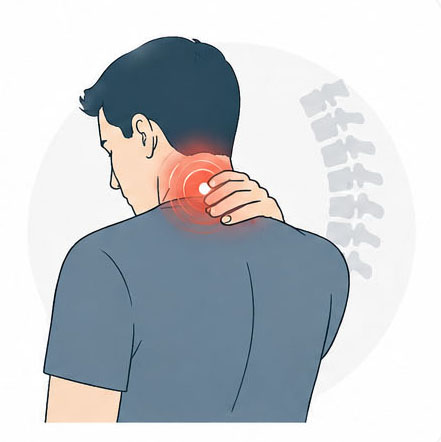
General Neck Pain
Stiffness, aching or reduced movement.

Muscle-Related Neck Pain
Protective muscle guarding and persistent tightness.

Whiplash & Post-Traumatic Neck Pain
Following motor vehicle accidents, falls or sporting injuries.
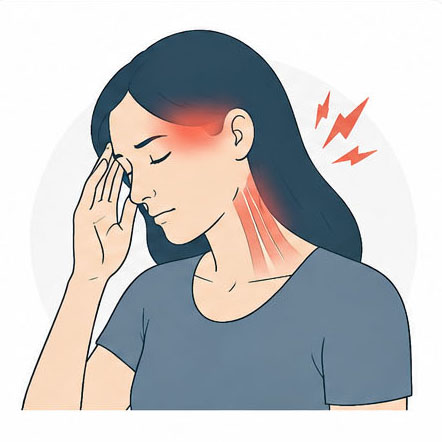
Cervicogenic Headaches
Headaches that appear to originate from the neck.
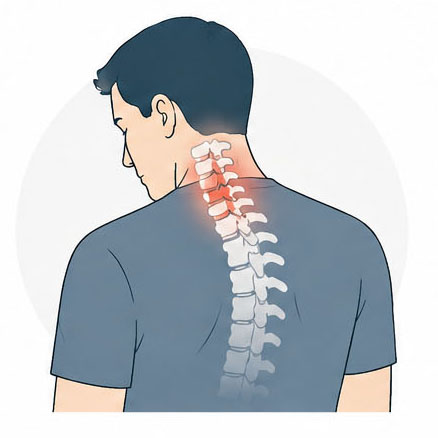
Disc-Related Neck Pain
Pain associated with cervical disc irritation or nerve involvement.

Neck Pain with Arm Symptoms
Pain that travels into the shoulder, arm or hand, sometimes with pins and needles or numbness.
Why Does Neck Pain Keep Coming Back?
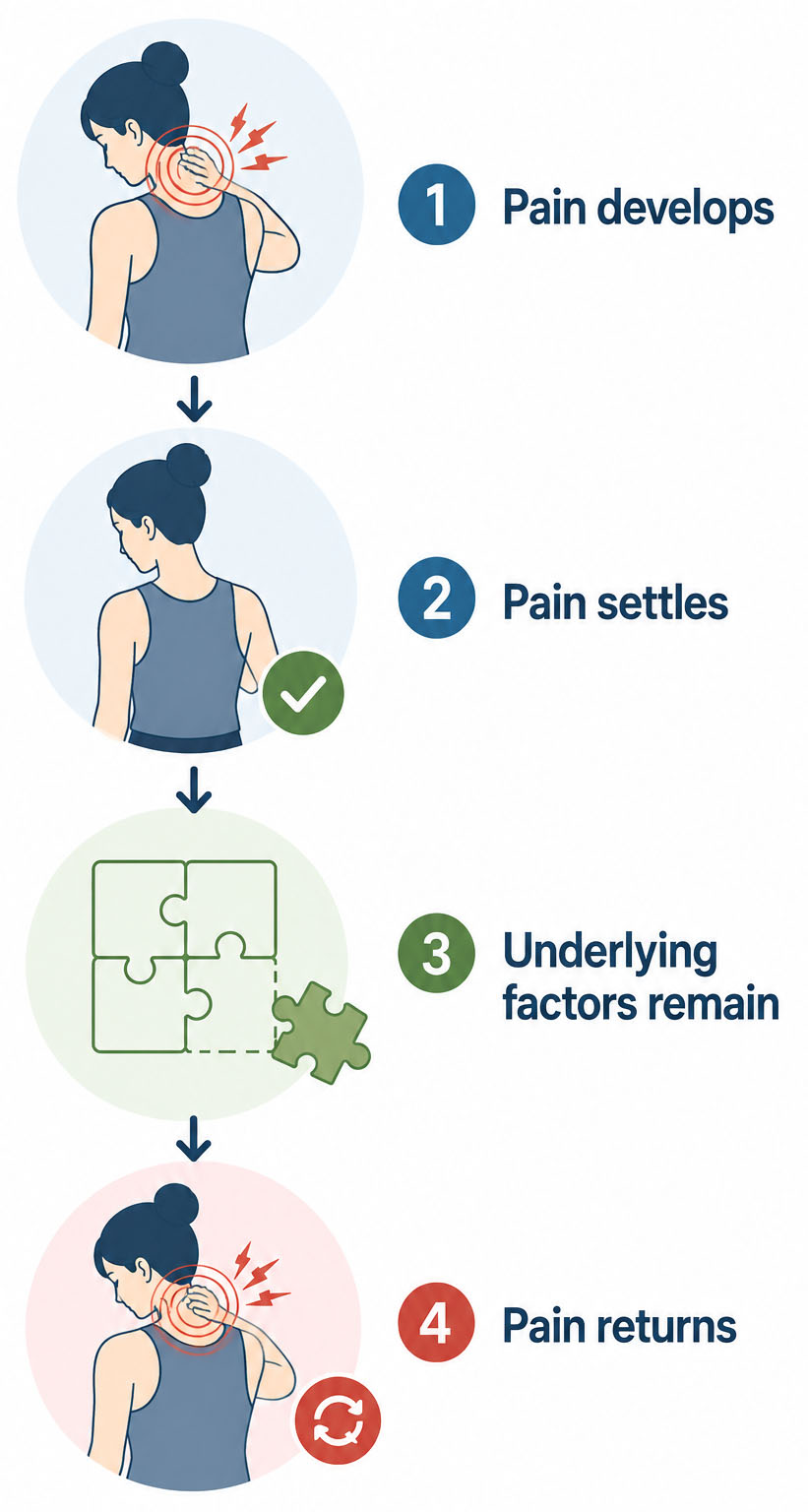
Pain often improves before the factors contributing to it have fully changed.
For example:
- joints may still move poorly
- muscles may still be guarding
- movement habits may not have changed
- physical capacity may remain reduced
- work demands continue unchanged
Over time the area may become irritated again.
Understanding these factors can help explain why recurring neck pain is so common.
If you'd like to understand this in more detail, visit our page: ‘Why Pain Persists’
Our Assessment Process

1. We Listen
We start by understanding you.
You’ll have time to explain:
- what you’re experiencing
- how it began
- what makes it better or worse
- previous injuries or treatment
- your goals.
We believe good assessment starts with careful listening.

2. We Take a Detailed History
Pain rarely exists in isolation.
Understanding your health history helps us recognise patterns that may be contributing to your current problem.
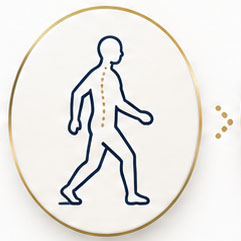
3. We Assess How You Move
We’ll assess posture, spinal movement and how different parts of your body are functioning together.
Often this provides valuable clues that scans alone cannot show.

4. Clinical Examination
Where appropriate this may include:
- orthopaedic tests
- neurological examination
- muscle strength
- flexibility
- coordination
The exact examination depends on your individual problem.

5. Hands-on Assessment
We’ll carefully examine the joints, muscles and soft tissues involved.
This helps us understand how different parts of your body are working together.

6. Putting the Pieces Together
Rather than focusing on one painful spot, we look at the overall pattern.
This helps us identify the factors most likely contributing to your symptoms.

7. Explaining What We Find
You’ll receive a clear explanation in everyday language.
We’ll explain:
- what we think is happening
- why it may have developed
- what factors may be contributing
- what you can do about it.
You should leave with a much better understanding of your problem.
Common Questions About Neck Pain
Should I keep moving if my neck hurts?
This depends on the cause of your symptoms.
Many people benefit from remaining reasonably active, but certain movements may temporarily aggravate some conditions.
Part of our assessment is helping you understand what is appropriate for your situation.
Is poor posture the main cause of neck pain?
Usually not.
Posture can contribute for some people, but it is rarely the only factor.
Movement habits, previous injuries, workload, physical conditioning, stress and individual differences often play a role.
Do I need scans?
Not always.
Many people improve without imaging.
If your history or examination suggests imaging or referral is appropriate, we’ll explain why.
Can neck pain cause headaches?
Yes.
Some headaches originate from structures in the neck.
Others do not.
A careful assessment helps distinguish between different headache types.
What if I've had neck pain for years?
Persistent pain doesn’t necessarily mean permanent damage.
Many longstanding problems involve changes in movement, muscle function and nervous system sensitivity rather than ongoing tissue injury alone.
Understanding these contributors can help guide management decisions.
How long will recovery take?
Recovery depends on many factors, including:
- how long symptoms have been present
- previous episodes
- lifestyle factors
- overall health
- underlying diagnosis
- individual response
We’ll discuss realistic expectations after your assessment.
When Should Neck Pain Be Assessed?
You should consider assessment if:
✓ your neck pain keeps returning
✓ pain has lasted more than a few weeks
✓ you’re getting frequent headaches
✓ movement feels increasingly restricted
✓ pain spreads into your shoulder or arm
✓ you experience numbness or pins and needles
✓ you’re unsure what’s causing your symptoms
If your symptoms include significant trauma, rapidly increasing weakness, loss of bladder or bowel control, fever, unexplained weight loss, severe unrelenting pain, or other concerning neurological symptoms, urgent medical assessment may be appropriate.
A Thoughtful, Thorough Approach to Your Care
When you’re in pain — particularly if the problem has been present for a long time or previous treatment hasn’t helped — you want more than a quick examination and a generic treatment plan.
Our approach is built around understanding your individual situation.

Thorough Assessment
Understanding the problem comes before treating it.
We take the time to investigate your symptoms, movement and function before making recommendations.
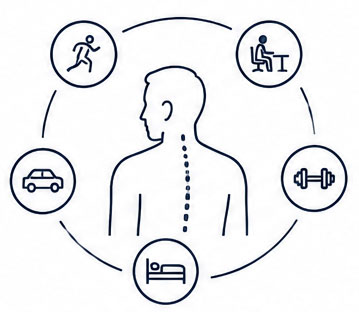
Complex Cases Welcome
Not every problem is straightforward.
Many people who come to us have experienced persistent or recurring problems, sometimes despite trying several different approaches.

Experienced Care
More than 25 years in practice.
Dr Richard Mathers has been helping Adelaide adults and families since 1999.
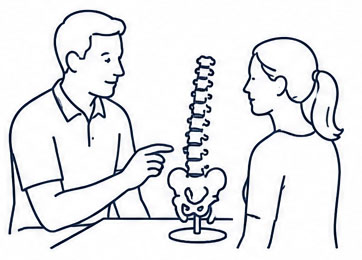
Clear Explanations
You should understand what’s happening with your body.
We explain what we find, what we think it means and the options available to you — in language that makes sense.
Individualised Care
Your care should fit you.
There are no pre-set treatment plans. Recommendations are based on your individual findings, circumstances and goals.
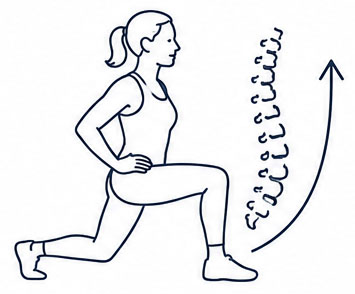
Self-Care Matters
What you do matters too.
Where appropriate, we help you understand the exercises, movement strategies and lifestyle factors that may help you manage your problem and build greater resilience over time.
Book a Neck Pain Assessment
Most people simply want to know:
- What’s causing this?
- Is it likely to improve?
- What are my options?
Our role is to assess your situation carefully, explain what we find, and help you make informed decisions about the next steps.
Related Conditions
- Back Pain
- Headaches
- Sciatica & Disc Bulges
- Hip & Pelvic Pain
- Pins & Needles