
Massage style and techniques Mitcham
Choose massage style & techniques that fit your body & preferences
Clear explanations, pressure and method set to your preference, and simple after care you can use.
Book now
Call 08 8272 2862

Find the right massage for you
Not sure which massage to book or how firm the pressure should be?
This page explains the main massage styles and the techniques we may blend at our Kingswood clinic in Mitcham.
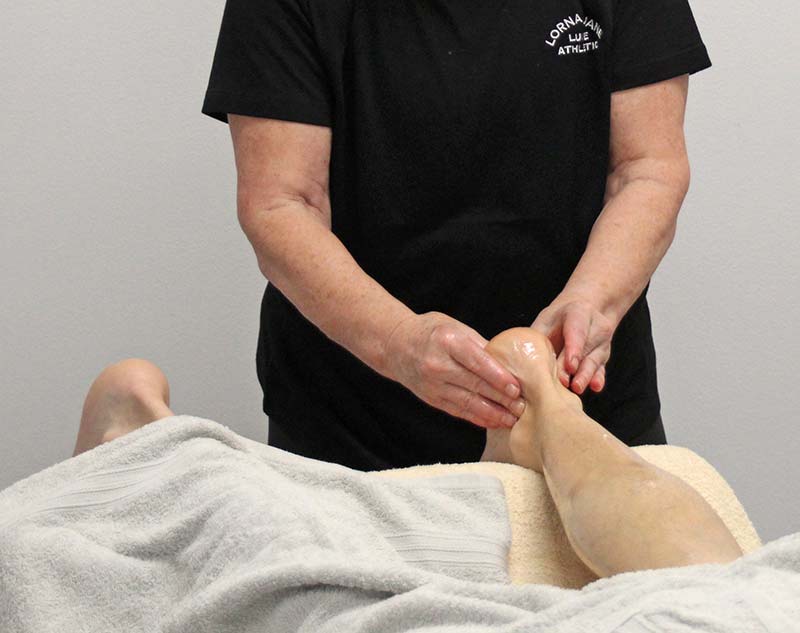
Massage styles you can book
Remedial massage
What it is
Goal-focused soft tissue treatment for one or two regions, or several areas with longer sessions.
When we use it
Local tightness that gets in the way of work, study, exercise or sleep.
Benefits
- Helping you set one or two priorities you can act on this week
- Reducing local tightness so daily tasks feel easier
Relaxation massage
What it is
A calm, full-body style with smooth, flowing strokes and a steady rhythm.
When we use it
Stressful weeks, unsettled sleep or when you want an unhurried reset.
Benefits
- Settling the nervous system to support rest and recovery
- Leaving you feeling at ease for the rest of the day
Swedish massage
What it is
Classic flowing techniques that support circulation and whole body ease with light to medium pressure.
When we use it
General tension when you want a consistent, soothing style from head to toe.
Benefits
- Encouraging comfortable movement without overwhelming tender areas
- Supporting steady relaxation through the whole session
Prenatal massage
What it is
Position modified massage with extra pillows and supports for trimester-specific comfort.
When we use it
Lower back, hip or shoulder tension during pregnancy or for general relaxation.
Benefits
- Easing common pregnancy related tension in safe, supported positions
- Matching pressure and pacing to how you feel that day
Neck pain or sore back after long days?
Book remedial massage with pressure you choose and simple after care for comfort.
How we choose and combine techniques
We keep it simple and practical. Your therapist will ask about what you want to focus on, assess your comfort and movement, adjust the pressure to your preference, and then select the best methods to fit your goals and time. You can pause or adjust at any point.
Techniques we may use in remedial massage
Myofascial release
What it is
Slow, sustained pressure or glide to ease tension in the fascia, the body’s connective tissue.
When we might use it
Widespread tightness from desk work or training, areas that feel stuck rather than sharp
What it feels like
Firm, gradual pressure with a gentle melting sensation as tissues soften.
Good to know
Works well with breathing cues and simple stretches afterwards.

Trigger point therapy
What it is
Focused pressure on small, tender spots in the muscle that can refer discomfort elsewhere.
When we might use it
Shoulder and neck knots, calves or glutes that keep gripping, tension headaches linked to the upper back.
What it feels like
Local pressure that eases as the spot softens. We keep it within your comfort.
Good to know
Short heat or light movement later can help the next day feel easier.
Cupping
What it is
Suction cups lift the skin and underlying tissue to change local pressure.
When we might use it
Back, hip or leg regions where a lift of the tissues can support comfort.
What it feels like
A pulling or stretching sensation. Temporary circular marks can occur.
Good to know
Marks are not impact bruises and usually fade over several days.
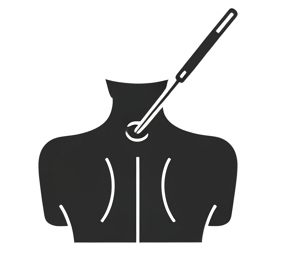
Dry needling
What it is
Fine, single-use needles are placed into taut muscle bands to reduce local tension.
When we might use it
Persistent trigger points that have not shifted with pressure alone.
What it feels like
A brief twitch or ache followed by easing. Consent is obtained and you can stop anytime.
Good to know
This is not acupuncture. We use it only when suitable.
Stretching
What it is
Assisted stretches and gentle mobilisations.
When we might use it
Hamstrings and hip flexors for walkers and runners, chest and front of the shoulder for desk work, calves and ankles for daily activity.
What it feels like
Comfortable lengthening, never forced.
Good to know
We show a simple home version you can repeat in minutes.

Remedial massage lengths
We offer a range of session lengths so you can choose what best fits your needs, goals, and schedule:
- 30 minutes – Great for targeted work on one or two areas (e.g., neck & shoulders).
- 45 minutes – A popular choice for focused treatment with some relaxation time.
- 60 minutes – Ideal for a full-body massage or combining several treatment techniques.
- 90 minutes – Perfect if you prefer an extended, deeply relaxing session or have multiple problem areas.
Prenatal massage set up for comfort and safety with side lying supports and a calm, unhurried pace.
Our approach to safe and effective massage care
Your safety and wellbeing always come first. Some health conditions may require massage to be delayed, modified, or avoided. We look out for:
- Acute illnesses or infections – such as fever, flu, or skin infections
- Recent injuries – including fractures, dislocations, or major surgery
- Serious medical conditions – like blood clots, severe heart problems, or uncontrolled high blood pressure
- Neurological symptoms – sudden weakness, numbness, or severe headaches
If any of these are present, we’ll help you connect with the appropriate medical provider before proceeding.

Our approach to aftercare
Stay hydrated
Massage increases circulation and lymph flow, so it’s common to feel thirsty afterwards. Drinking water throughout the day helps your body recover and keeps you feeling your best.
Take it easy (but keep moving)
We suggest avoiding strenuous activity for the rest of the day. Gentle movement, like a light walk or some simple stretches, can prevent stiffness and help your muscles adapt to the work we’ve done.
Heat or ice?
Heat
A warm shower, bath, or heat pack can soothe tight muscles and encourage relaxation.
Ice
If there’s any tenderness or inflammation, a cold pack (wrapped in a towel) for 10–15 minutes can help calm things down.
Gentle stretches
We’ll often show you simple stretches for common tight spots like the neck, back, or hips. Doing these regularly can help you stay flexible and maintain the benefits of your massage.
Self-care between sessions
We may recommend tools such as foam rollers or massage balls for use at home. These are great for easing tension in specific areas and can be a helpful addition to your self-care routine.
Frequently asked questions about massage style and massage techniques
0
0
Can I request a specific technique, like myofascial or trigger point?
Yes. Please tell us what you prefer and what you want to change. We will confirm whether it suits your goal and blend techniques as needed, adjusting pressure to comfort.
Will cupping leave marks?
Temporary circular marks can occur and usually fade over several days. If you would prefer to avoid marks, we can use different methods.
Do you offer dry needling?
When appropriate and with trained clinicians. We obtain consent, explain what you might feel, and you can stop at any time.
Which is better for me, remedial or relaxation?
If one or two areas are the focus, choose remedial. If whole-body ease is your priority, select relaxation or Swedish massage. If you are pregnant, choose prenatal.
How firm should the pressure be?
Start with gentle, medium or firm, and we will adjust as we go. If something feels too strong or not strong enough, say so, and we will change it.
Can I claim private health for remedial massage?
Yes, where your policy covers remedial massage. Claims can be made on the spot via HICAPS at our Kingswood clinic. You receive an invoice or receipt for your records.
Contact Sure Start Health Remedial Massage
Do you feel neck or back discomfort and need relief soon. Tell us the areas that feel tight, the pressure you prefer, and the session length that suits your day.